
5 Costly Errors That Can Destroy Your Diesel Truck's DPF System
Costly mistakes and improper maintenance can quickly damage a diesel truck’s DPF system, leading to reduced performance and expensive repairs. Understanding these common DPF errors helps truck owners stay compliant, avoid premature failures, and protect their emissions system investment.
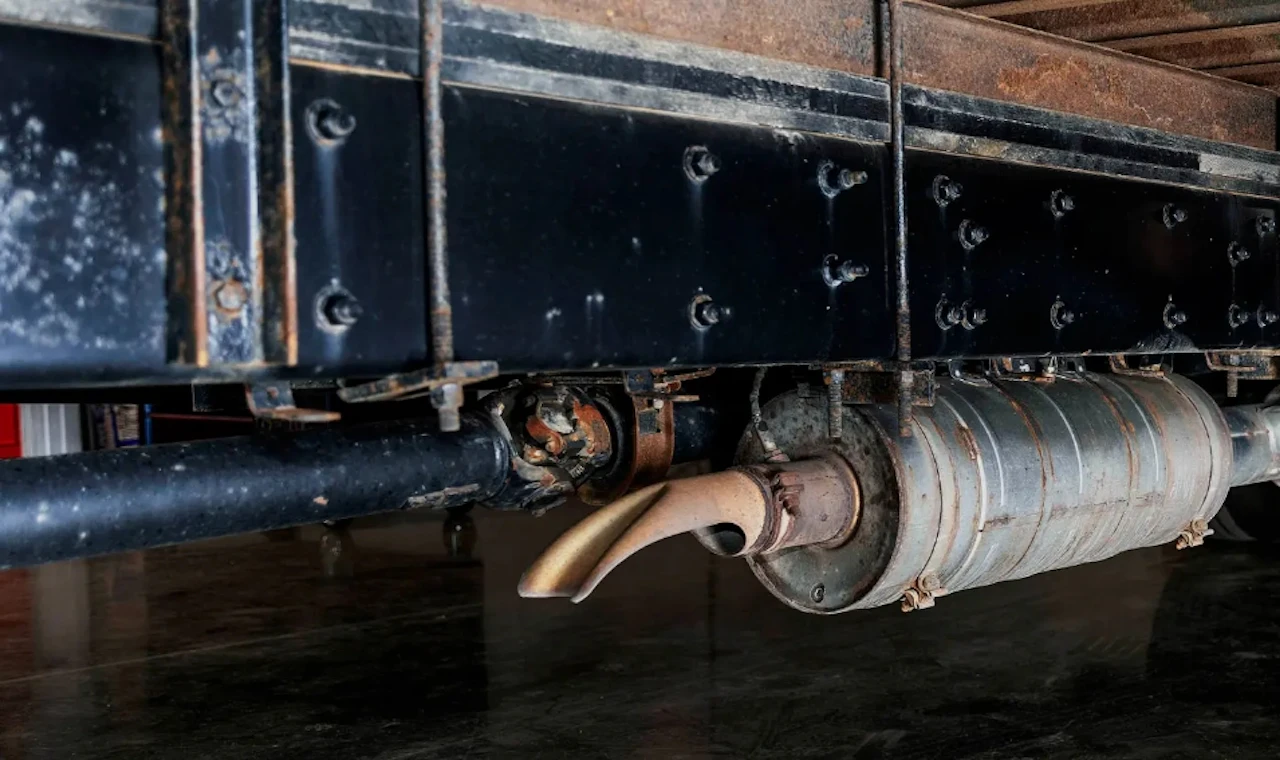
If you operate a diesel truck, chances are you've heard about the Diesel Particulate Filter (DPF), maybe in the shop, maybe when a dreaded dash light flickers on mid-haul. This emissions-critical component is designed to capture soot and particulate matter from your truck’s exhaust, helping you stay compliant with federal regulations.
But here’s the rub, DPFs are fragile. They don’t like shortcuts, neglect, or guesswork. And in a place like Sullivan, MO, where trucks endure tough terrain, seasonal shifts, and long hauls, one misstep could cost you thousands in repairs or even a full DPF replacement.
Let’s break down the 5 most common and costly mistakes that can destroy your DPF system, and how to avoid them.
1. Ignoring Regeneration Cycles
Your DPF can only collect so much soot before it needs to burn it off in a process called regeneration. There are two types: passive (done automatically during driving) and active (triggered by the truck’s ECM).
Skip or ignore a regen cycle, and you risk:
- DPF clogging
- Engine derating
- Excessive backpressure can damage your turbocharger and engine
Many drivers disable regen due to time constraints or performance myths. Big mistake. Regeneration is non-negotiable; skipping it is like never emptying a trash can and wondering why your kitchen stinks.
Pro tip: If you're seeing the regen light often, the issue may not be the DPF, it could be a faulty sensor or engine running rich and producing excess soot.
2. Using the Wrong Engine Oil
Not all oils are created equal. DPF systems are highly sensitive to ash content, which builds up inside the filter over time and can’t be burned off like soot.
Using non-low-ash engine oil can:
- Increase ash buildup
- Shorten DPF lifespan
- Force premature cleanings or full replacements
Only use CJ-4 or CK-4 oils that are DPF-compatible. These formulations are engineered to reduce ash content and protect your aftertreatment system.
Remember: you may save a few bucks on cheaper oil now, but you’ll spend thousands later on DPF repairs.
3. Overlooking Minor Sensor Faults
Your DPF system relies on a network of pressure sensors, temperature sensors, and differential pressure monitors to function correctly. If even one of these goes out, your ECM can misread the situation, forcing regen too often or not at all.
Here’s what could happen:
- The truck goes into limp mode
- Regen fails to trigger when needed
- Excess soot overwhelms the DPF
One bad DOC temperature sensor or differential pressure sensor can snowball into a full-on system failure. If your check engine or DPF light is on, don’t delay diagnostics.
In Sullivan, where temperature swings and road dust are real issues, sensors are especially vulnerable. Test them as part of regular maintenance.
4. Deleting or Bypassing the DPF System
Let’s not sugarcoat it, DPF delete kits are out there. Some drivers swear by them for power gains, but in reality?
You’re setting yourself up for:
- Hefty EPA fines
- Voided warranties
- Failed inspections
- Engine problems due to improper tuning
Besides the legal headache, deleting your DPF doesn’t address the underlying issues causing frequent regens. It just hides them until something worse breaks.
If you’re constantly battling DPF issues, the real solution is proper diagnostics, engine tuning, and preventive maintenance, not bypassing the system altogether.
5. Skipping Preventive Maintenance
Let’s face it, we’re all busy. But neglecting routine maintenance is like gambling with a loaded dice set. The DPF system can deteriorate with every skipped oil change, every overlooked regen, and every mile run with a faulty sensor.
Key maintenance steps include:
- DPF inspections every 6 months or per OEM schedule
- Monitoring and cleaning the Diesel Oxidation Catalyst (DOC)
- Keeping your EGR system clean to reduce soot load
- Checking the DEF system to see if your truck uses SCR technology
In Missouri, where rural deliveries and changing weather can strain your truck, this maintenance matters even more.
A clogged DPF can cost $2,000–$5,000 to replace. Regular cleanings? A few hundred bucks.
Keep Your DPF System Running Clean
Your DPF system is essential, not optional. And whether you're hauling local loads or logging cross-country miles, small mistakes can add up fast. By avoiding these five costly errors, you’ll extend the life of your filter, maintain fuel efficiency, and steer clear of expensive downtime.
Don’t let a $50 shortcut become a $5,000 repair. Get in touch with Harmon Truck Service for quality diesel DPF repair or fleet maintenance. Our diesel technicians will keep your heavy-duty trucks performing at peak condition. For more information, read our article on how to keep your DPF clean.

